

Nigeria Reaffirms Commitment to Climate Action, Seeks Private Sector Investment in Adaptation
The Federal Government has reaffirmed Nigeria’s commitment to global climate action while pursuing national development priorities through strategic policies and initiatives designed to build a climate-resilient and low-carbon economy.
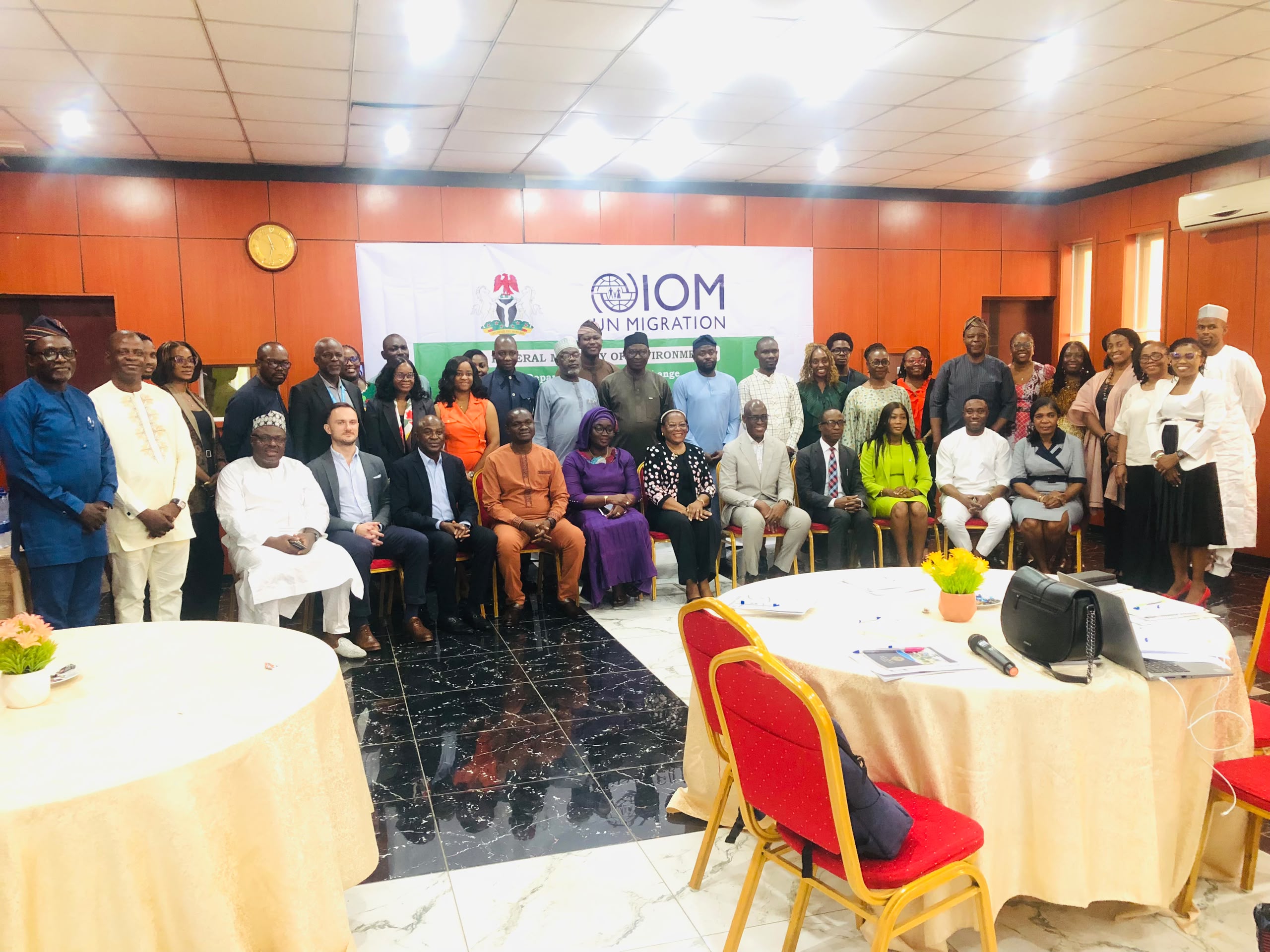
Minister of Environment, Balarabe Abbas Lawal, stated this in Abuja during a stakeholder engagement on the socialisation of Nigeria’s National Adaptation Plan (NAP) for development partners and the private sector, themed: “Mobilizing Partnerships and Investments for Climate-Resilient Development through Nigeria’s National Adaptation Plan (NAP).”
The Minister, who was represented by the Permanent Secretary of the Ministry, Dr. Salihu Aminu Usman, said Nigeria’s climate action framework is anchored on key instruments including the Climate Change Act, Nationally Determined Contribution (NDC 3.0), National Adaptation Plan, Energy Transition Plan, National Clean Cooking Policy and National Carbon Market Activation Framework.
According to him, the National Adaptation Plan is one of the country’s most significant milestones in addressing the impacts of climate change, providing a comprehensive framework for identifying climate risks, reducing vulnerability, strengthening resilience and mainstreaming adaptation into national, sectoral and subnational development planning.
He said the NAP establishes priorities across critical sectors including agriculture, water resources, health, infrastructure, energy, biodiversity, forestry, disaster risk management and human settlements.
Adaptation gap requires new partnerships
Lawal noted that Nigeria’s adaptation needs require stronger partnerships, innovative financing mechanisms, technology transfer, strengthened institutions and sustained investment.
He stressed the need to integrate climate risks into every aspect of development planning and decision-making, noting that addressing climate vulnerability could not be achieved by government alone.
The Minister commended development partners for their continued support to Nigeria’s climate agenda, saying their interventions had helped strengthen institutions, build technical capacity, improve climate data and information systems, facilitate access to international climate finance and support adaptation projects across the country.
He also assured investors that the Federal Government was committed to creating an enabling environment for private sector participation through policy reforms, institutional coordination and partnerships aimed at reducing investment risks and encouraging innovation.
Lawal described the engagement as an opportunity to deepen stakeholders’ understanding of the NAP, identify partnership opportunities and mobilise the investments required to move from planning to implementation.
He urged participants to develop practical solutions and bankable adaptation programmes, strengthen institutional collaboration and establish partnerships capable of delivering measurable impact.
“Together, let us build a future where every investment strengthens resilience, every partnership accelerates progress, and every Nigerian has the opportunity to thrive despite the challenges of a changing climate,” he said.
Private sector critical to climate resilience
The Permanent Secretary, Dr. Salihu Aminu Usman, who was represented at the event by the Director of Climate Change, Dr. Iniagbon Abiola-Awe, said successful implementation of the NAP would require broad-based partnerships involving government institutions, development partners, the private sector, financial institutions, research organisations, civil society and local communities.
He acknowledged the contributions of development partners to strengthening institutional capacity, improving climate governance, providing technical expertise and financing climate action in Nigeria.
Usman called for deeper collaboration in implementing the priorities identified in the National Adaptation Plan.
He particularly highlighted the role of the private sector in driving innovation and mobilising investment for climate-resilient development.
According to him, the private sector can contribute by developing climate-resilient technologies, strengthening resilient value chains, expanding climate insurance, financing resilient infrastructure and supporting nature-based solutions.
“Adaptation is no longer solely a public policy issue; it is increasingly a business imperative and an investment opportunity that can deliver economic, social and environmental returns,” he said.
NAP offers investment and collaboration opportunities
Earlier, the Director of Climate Change in the Ministry, Dr. Iniagbon Abiola-Awe, said the stakeholder engagement was designed to deepen understanding of the National Adaptation Plan, present its strategic priorities and investment opportunities, and foster dialogue on accelerating its implementation.
She said the workshop would also help strengthen coordination, identify areas for collaboration and mobilise resources required to translate the NAP into tangible actions capable of improving the resilience of people, ecosystems and the Nigerian economy.
Abiola-Awe urged participants to contribute practical recommendations and share experiences that could strengthen implementation of the plan.
She noted that the diversity of expertise represented at the engagement was an important asset in advancing Nigeria’s climate resilience agenda.
IOM pledges continued support
In a goodwill message, the Chief of Mission of the International Organization for Migration (IOM) in Nigeria, Sharon Dimanche, reaffirmed the organisation’s commitment to supporting the Nigerian government in implementing the National Adaptation Plan.
Dimanche, who was represented by Hajara Jalo, said IOM would continue to support climate action that contributes to stronger, safer and more resilient communities across Nigeria.
She described the engagement as a valuable platform for deepening collaboration, identifying opportunities and building partnerships capable of translating the vision of the NAP into tangible and lasting results for vulnerable communities.
The engagement brought together representatives from the public sector, private sector, financial institutions, academia, civil society organisations and development partners, including IOM, WHO and UNIDO, among others.
The stakeholders are expected to leverage the National Adaptation Plan as a framework for mobilising resources, strengthening climate resilience and advancing climate-smart development across Nigeria.
