

NYG Defends Ojulari, Says N7.13trn NNPCL Energy Security Spending Needs Context
Northern youth group says NNPCL’s energy security costs reflect statutory obligations, urges transparency in use of reform revenues
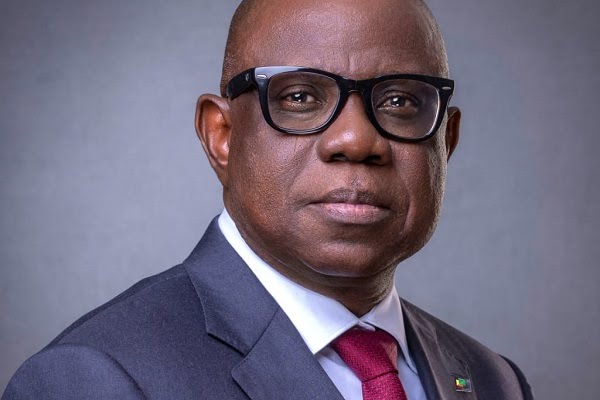
The Northern Youth Groups (NYG) has thrown its weight behind the Group Chief Executive Officer of the Nigerian National Petroleum Company Limited (NNPCL), Bayo Ojulari, amid growing scrutiny over the company’s reported N7.13 trillion energy security expenditure.
In a statement issued on Tuesday by its National President, Alhaji Abubakar Ibrahim, and National Secretary, Comrade Abutu Ainoko, the group said the figure must be examined within the context of NNPCL’s statutory responsibility to safeguard Nigeria’s energy security.
The NYG said NNPCL’s audited financial statements provided explanations for the expenditure, including costs arising from the company’s role as an energy supplier of last resort, as well as exchange-rate differentials associated with petroleum imports.
According to the group, the Petroleum Industry Act (PIA) provides a legal framework for NNPCL to incur expenses necessary to maintain energy security, with certain costs to be borne by the federation.
“We commend the leadership of NNPCL under Bayo Ojulari for demonstrating transparency and accountability in the discharge of his duties,” the group said.
The organisation argued that the publication of the audited financial statements gives Nigerians, regulators and other stakeholders an opportunity to scrutinise the figures using the full financial and legal context.
It particularly pointed to the exchange-rate difference between the rate used to determine the Premium Motor Spirit (PMS) ex-coastal price and the prevailing rate when import settlements were made as one of the factors contributing to the reported expenditure.
Subsidy removal: NYG acknowledges hardship, highlights gains
The group also linked the controversy surrounding NNPCL’s energy security spending to the Federal Government’s decision to remove the petrol subsidy.
While acknowledging the hardship caused by the reform, NYG argued that subsidy removal has reduced the government’s direct financial burden of subsidising petrol consumption and created room for resources to be redirected to infrastructure and other productive sectors.
“The removal of the fuel subsidy has not been without hardship. However, it is equally important to acknowledge the economic opportunities created by the reform,” the group said.
NYG urged the Federal Government to ensure that revenues and savings generated from petroleum-sector reforms are managed transparently and translated into tangible improvements in roads, healthcare, education, security and energy infrastructure.
The group further called for continued scrutiny of NNPCL’s financial activities through established regulatory and accountability mechanisms.
It maintained that questions surrounding public expenditure should be addressed through facts, audited records and supporting documentation rather than speculation.
NYG also urged Ojulari and the NNPCL management to sustain what it described as a culture of transparency while ensuring that the company’s operations remain aligned with Nigeria’s broader economic and energy-security objectives.
